
Select an Industry
Explore how our adaptive robotic platforms perform across different demanding sectors.
Industry Sector
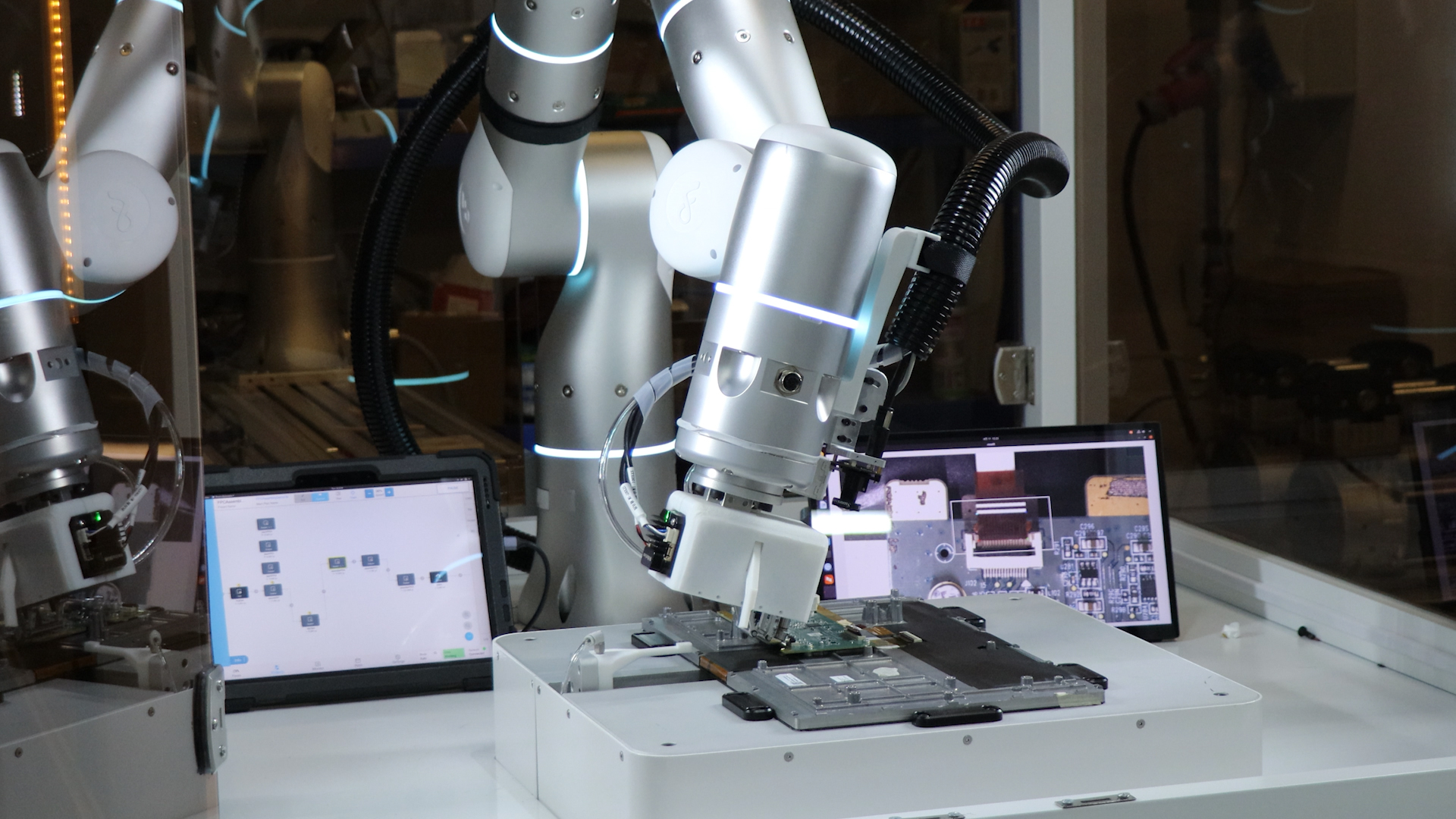
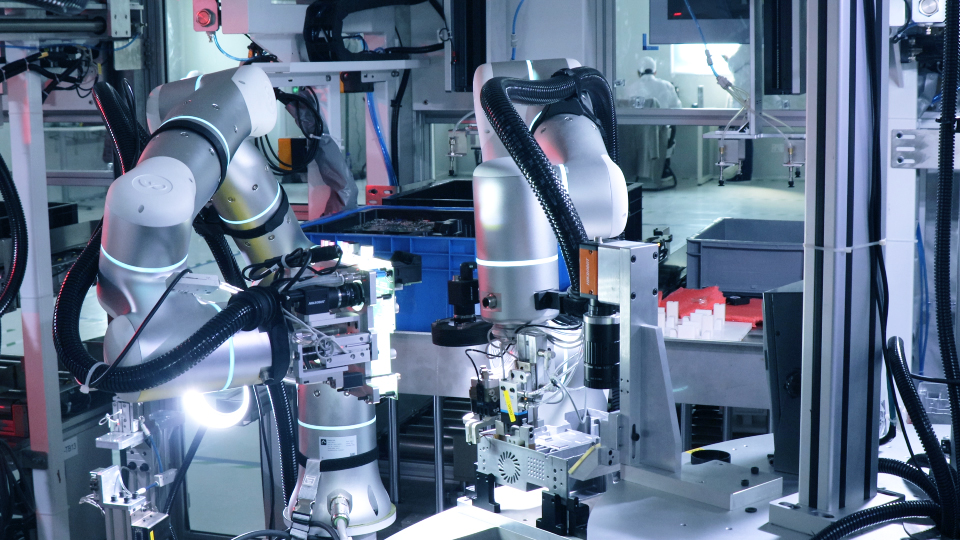
Electronics and Electrical Equipment
Electronics manufacturers automate high-mix, contact-rich tasks like FPC insertion, smartphone polishing, and micro-screw fastening. Using Rizon 4-S, we solve challenges with small, deformable parts, providing compliant gripping and reliable insertion for delicate components.
Application Advantages
Compliant insertion
Combines AI vision and force-controlled interaction for precise picking and compliant insertion. Hybrid force-position control absorbs gripping deviations, ensuring near-zero scrap and stable assembly.
High-precision hand-eye coordination
Proprietary vision algorithms provide real-time tracking. Closed-loop, contact-aware insertion supports multiple FPC types under varying conditions.
Traceability and scalability
Records force and image data at 1 kHz for full process traceability. Easily adapts to multiple FPC variants with minimal adjustments, lowering production and testing costs.
Application Samples
Electronics and Electrical Equipment
ECU Electronic Assembly
Shows a dual-robot electronics cell handling ECU components and positioning them for assembly and inspection. The sequence emphasizes coordinated robotic placement, vision guidance, and precision positioning for small electronic modules.
Electronics and Electrical Equipment
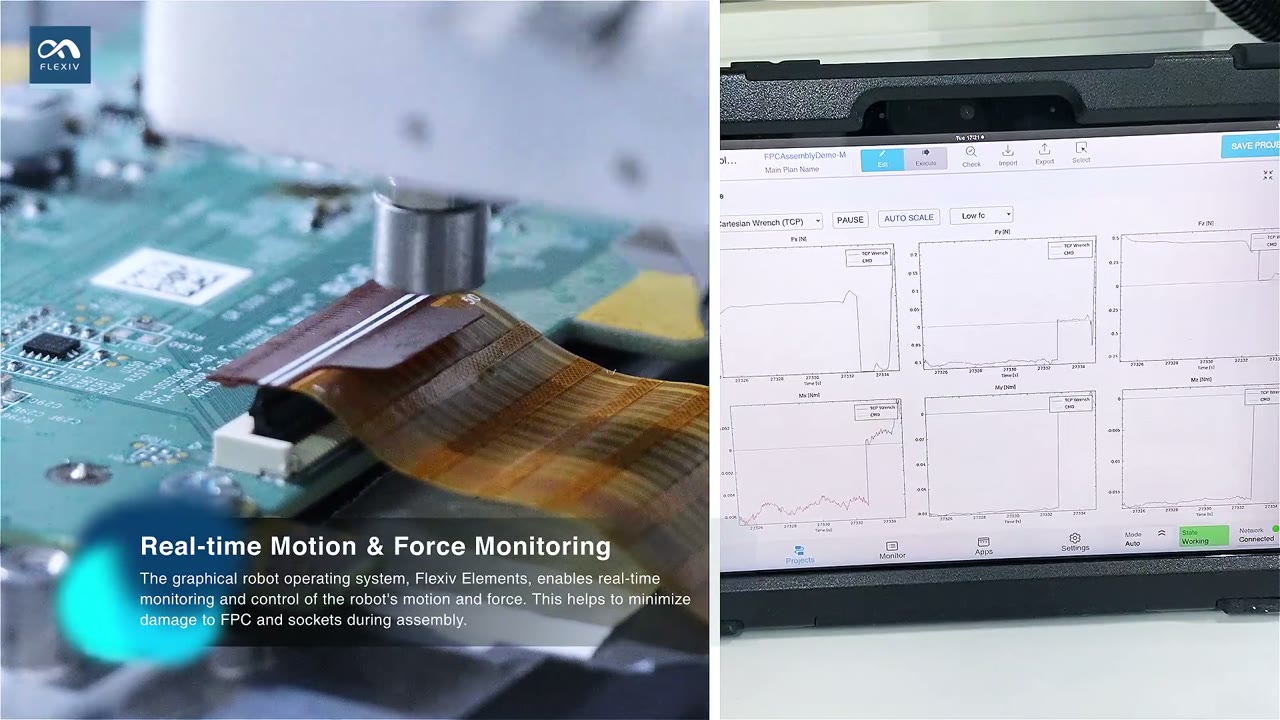
FPC Connector Insertion
Shows a flexible printed circuit being presented to a connector, aligned under vision, and inserted with controlled force. The application focuses on high-precision connector insertion where small offsets can buckle the FPC or damage contacts.
Electronics and Electrical Equipment
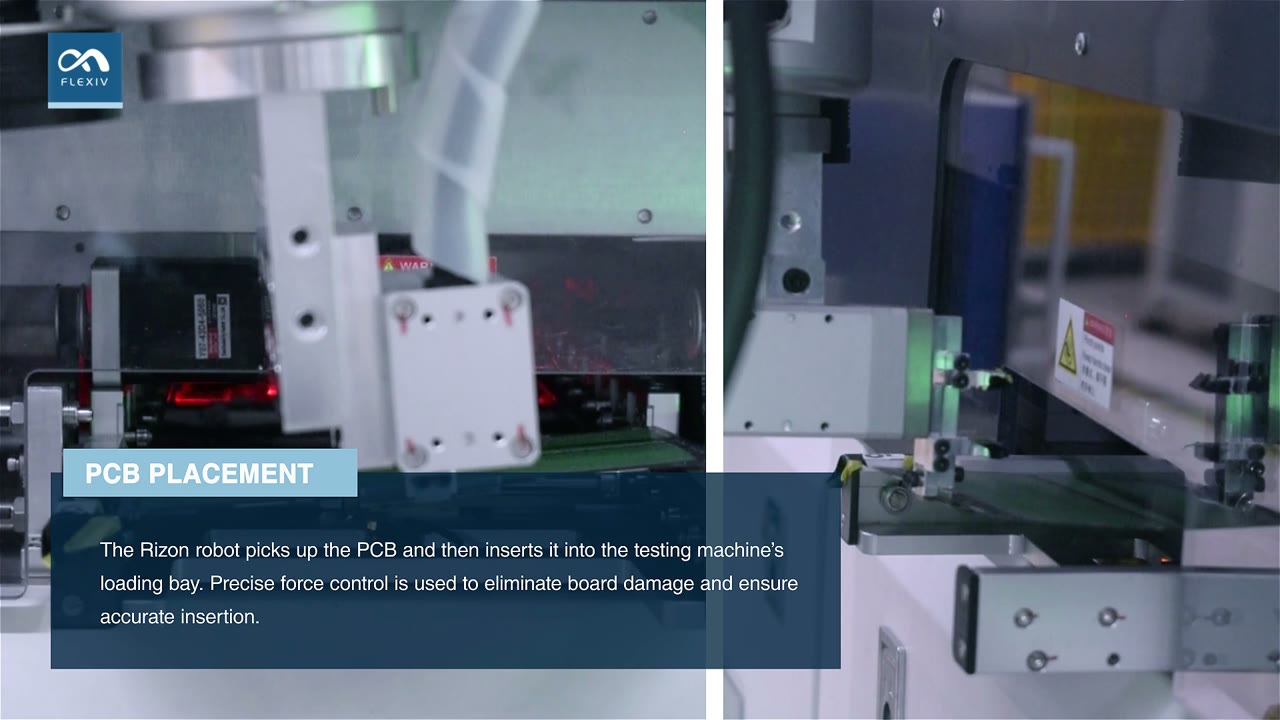
Robotic PCB Loading
Shows a robot loading printed circuit boards into test equipment using a custom end effector and guided placement. The sequence highlights PCB machine tending where repeatable board handling and fixture alignment are required for electronics testing.
Electronics and Electrical Equipment
Automated Server Port Testing
Shows a robot inserting and removing test plugs across dense server ports while status screens and connector positions are monitored. The application demonstrates force-guided port testing for data-center hardware where repeated connector cycles must be accurate and non-damaging.
Electronics and Electrical Equipment
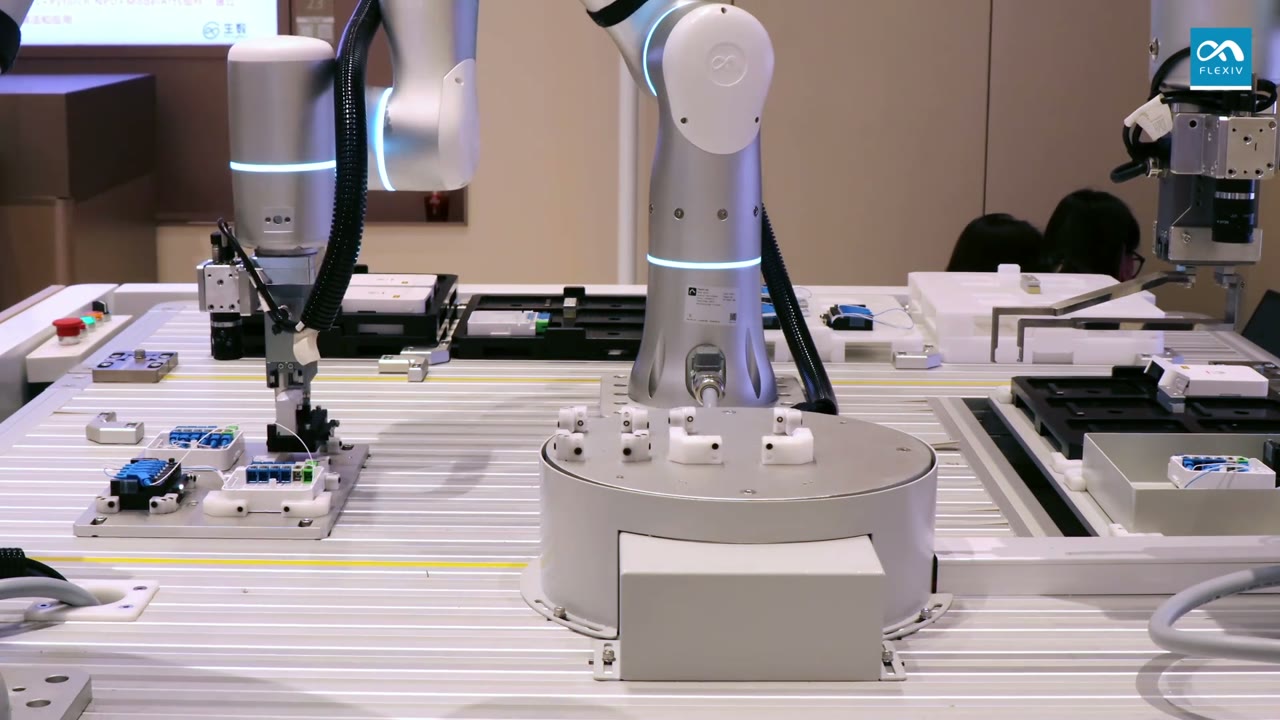
Fiber Optic Equipment Assembly
Shows fiber optic cabling being routed through equipment, positioned into fixtures, and connected with controlled placement. The workflow highlights cable-routing automation for optical hardware where bend sensitivity, connector seating, and repeatable path control matter.
Electronics and Electrical Equipment
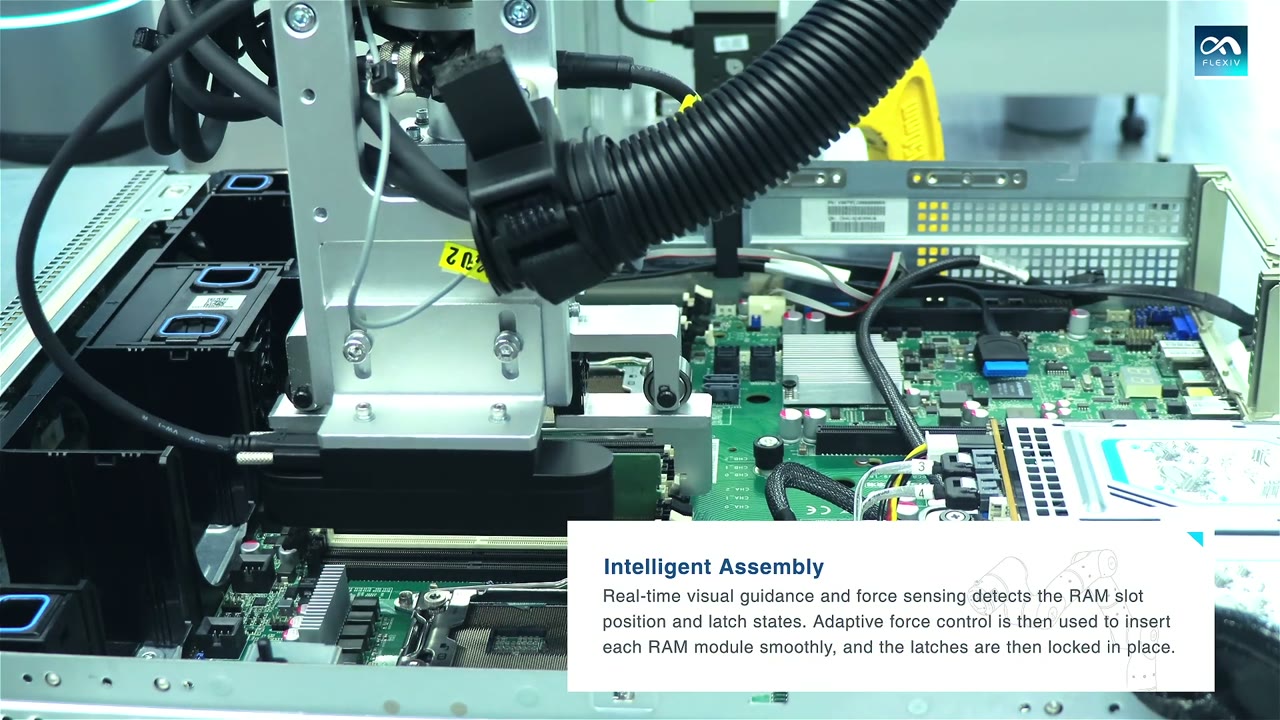
Automated RAM Installation
Shows a robot picking a RAM module, aligning it above the motherboard slot, and pressing it into place with controlled force. The sequence highlights server assembly automation where visual servoing and insertion feedback protect delicate connectors while improving repeatability.
Electronics and Electrical Equipment
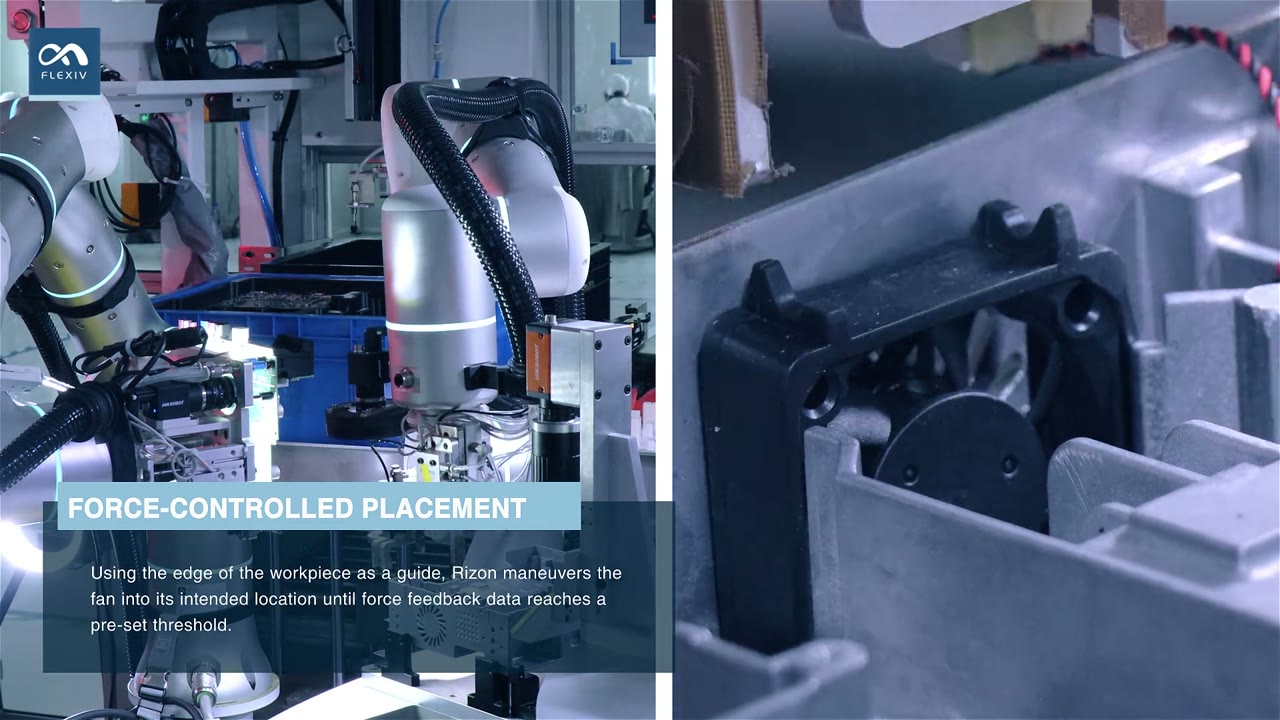
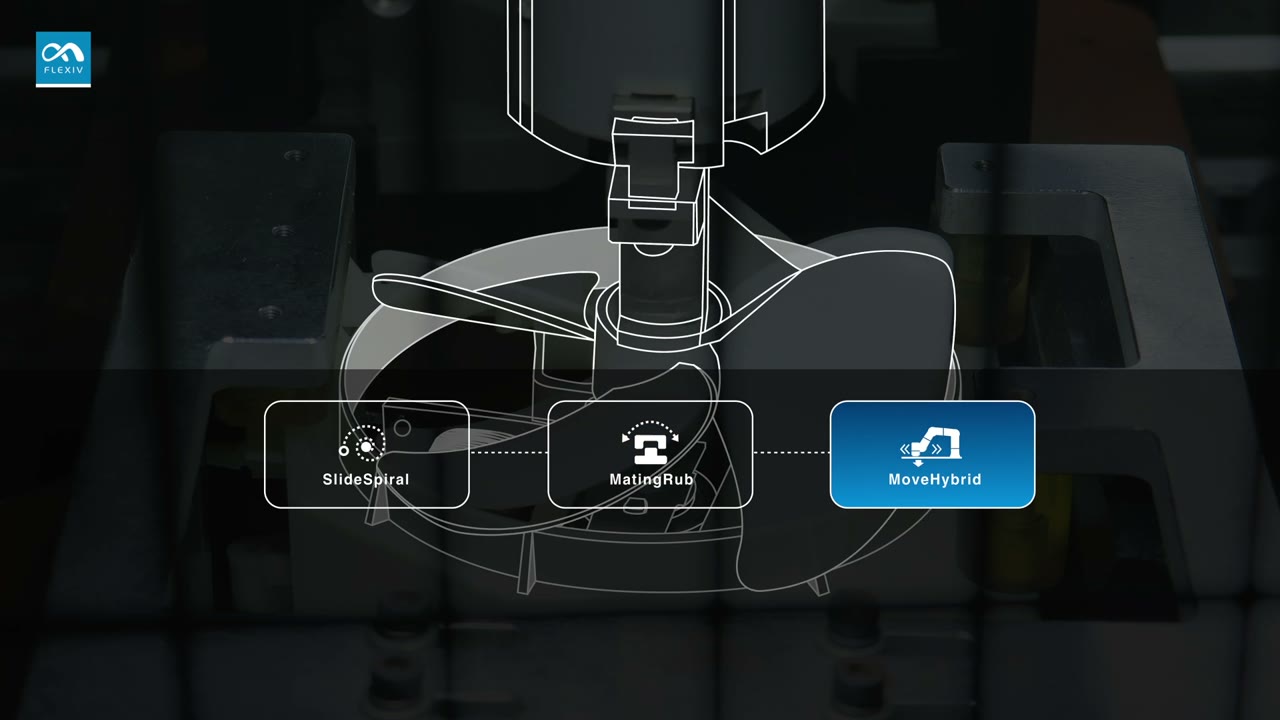
Microwave Fan Blade Installation
Shows an appliance fan blade being picked, aligned with a motor shaft, and press-fitted into position. The sequence demonstrates force-controlled placement for small rotating parts where coaxial alignment and controlled seating prevent assembly defects.
Industry Sector
Mobility
Automotive manufacturers use our adaptive robots for tasks requiring precision and variation tolerance, such as final assembly wheel alignment. Our Rizon 10 solution overcomes practical challenges like vehicle positioning deviations, varying suspension, and nut positional discrepancies.
Application Advantages
Adaptive calibration
High-resolution force sensing detects positional deviation for each vehicle, automatically compensating in the robot's coordinate system before adjustment to ensure accurate rod and nut alignment.
Precise force feedback
Hybrid force-position control handles variations in vehicle position and chassis geometry. It maintains rigidity for adjustments while staying compliant in other directions to prevent tool slippage and part damage.
Efficient deployment
Deploys directly into existing workstation layouts without major structural changes. Adaptive force control minimizes the need for complex custom end-effectors.
Application Samples
Mobility
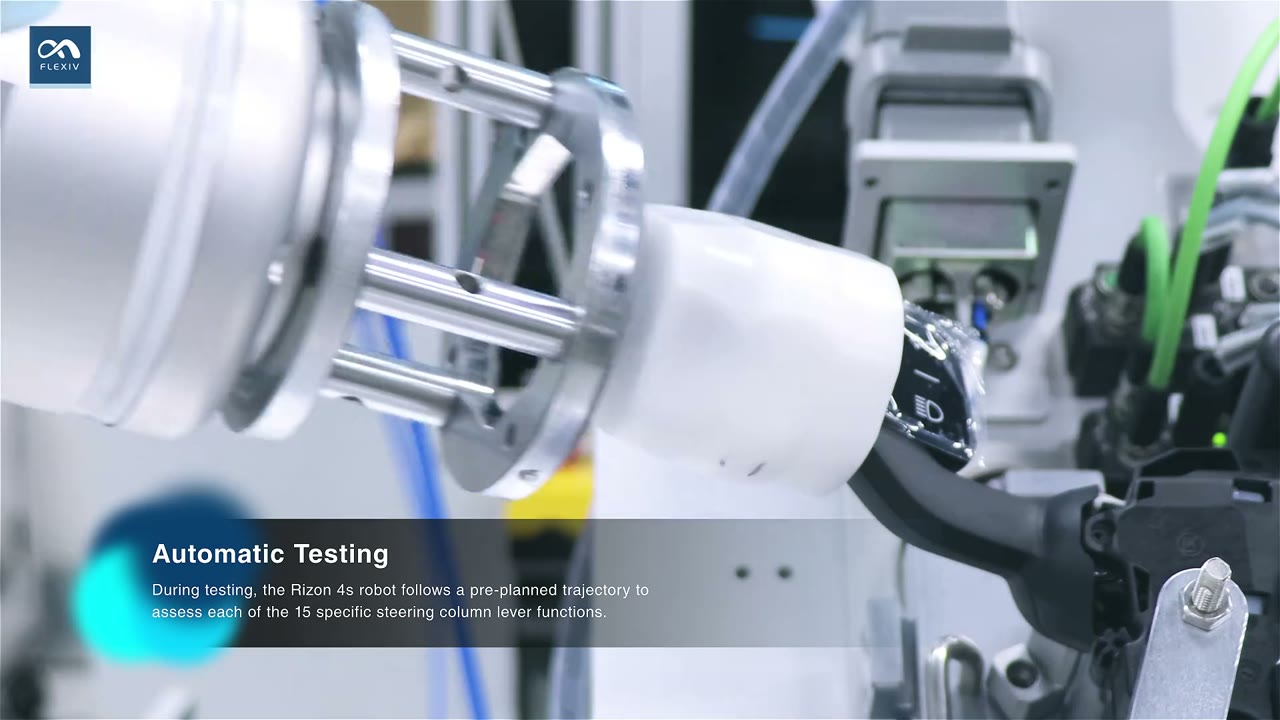
Steering Column Lever Testing
Shows a robot actuating steering-column levers through repeated switch and stalk motions while test data is captured on-screen. The application targets automotive interior QA where repeatable force, travel, and cycle measurements are needed without manual operators.
Mobility
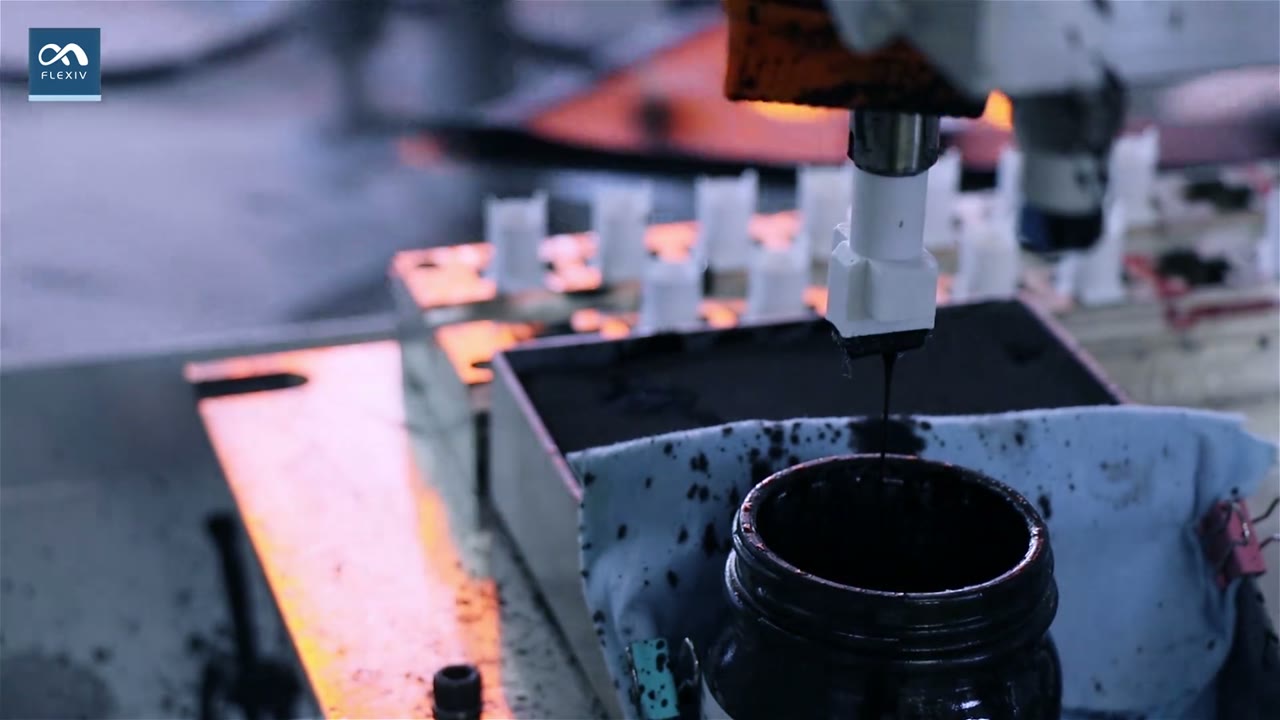
Car Window Primer Application
Shows the robot teaching and applying primer around curved car-window glass, including close-ups of the dispensing tool and path planning interface. The workflow demonstrates how adaptive motion and controlled contact can automate automotive glazing preparation on variable curved surfaces.
Mobility
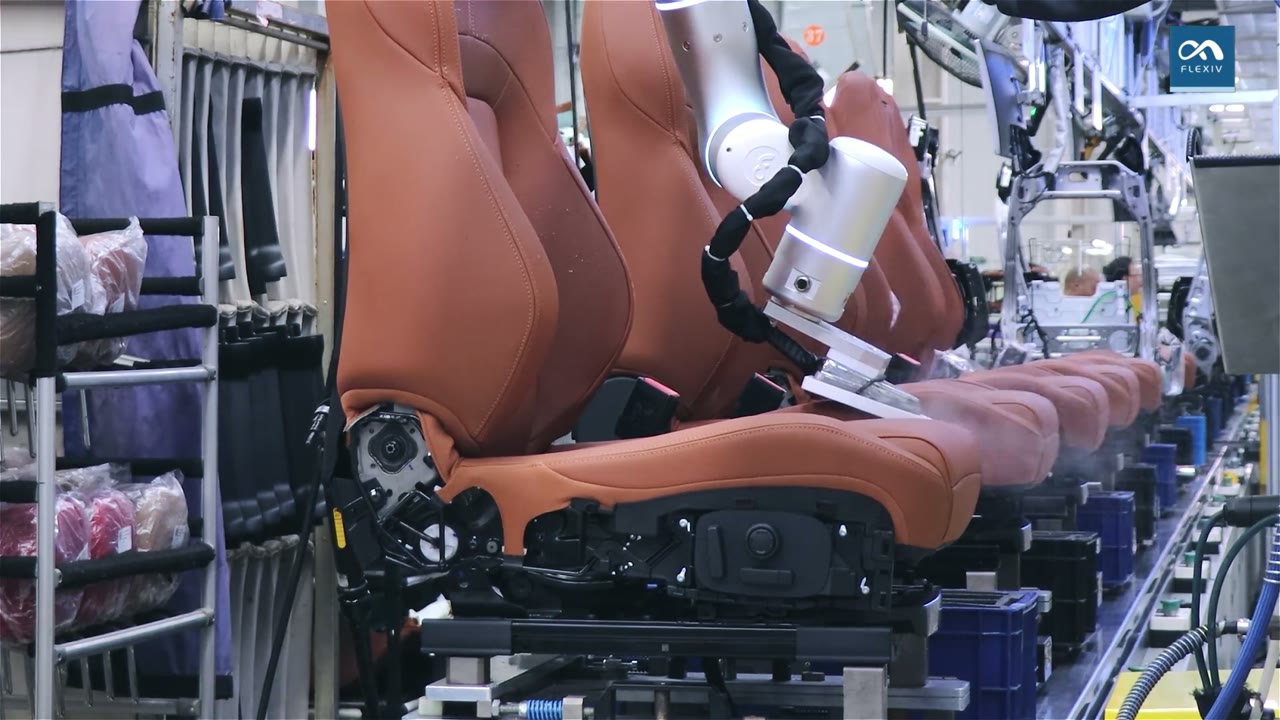
Automotive Seat Ironing
Shows a robot ironing and smoothing leather vehicle seats with a heated end effector while following seat contours and seams. The workflow demonstrates force-controlled interior trim finishing for reducing manual rework and improving consistency across automotive seating.
Mobility
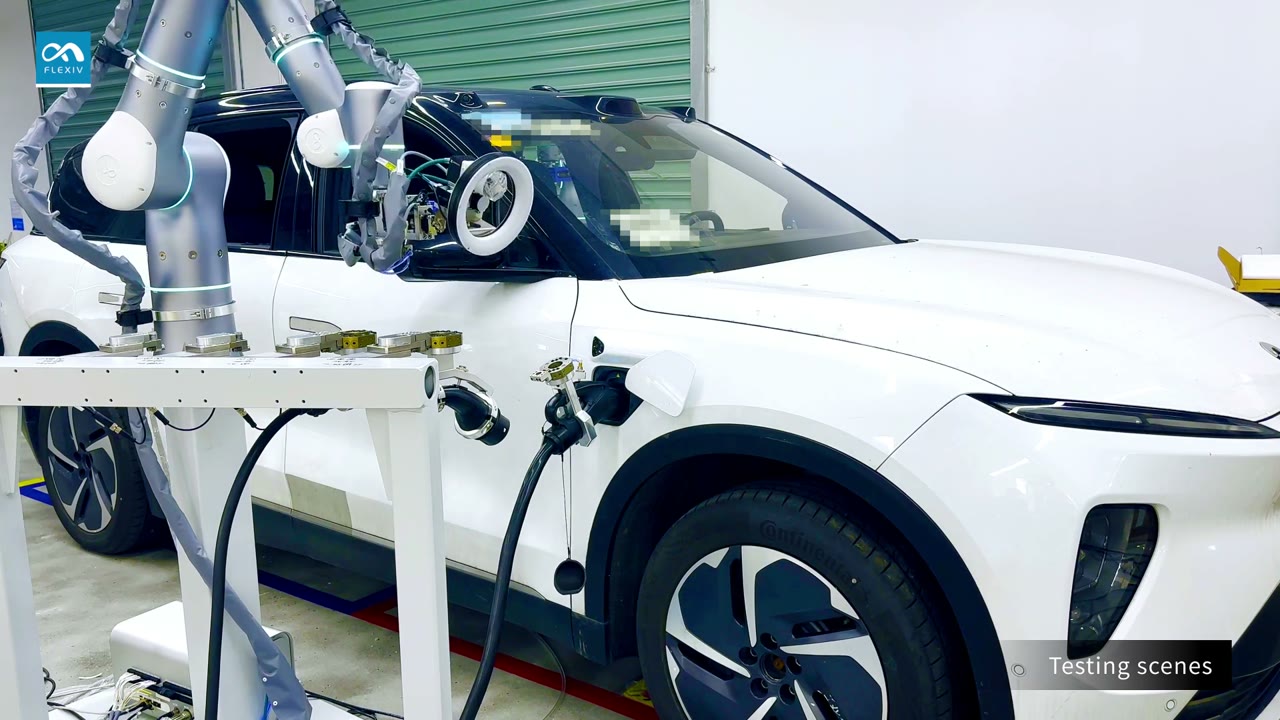
Pre-Delivery Vehicle Inspection
Shows a camera-equipped robot moving around a vehicle and into interior touch points to inspect controls, panels, and exterior areas. The sequence demonstrates automated pre-delivery QA where consistent viewing angles and repeatable inspection paths reduce manual checking effort.
Industry Sector
Food and FMCG
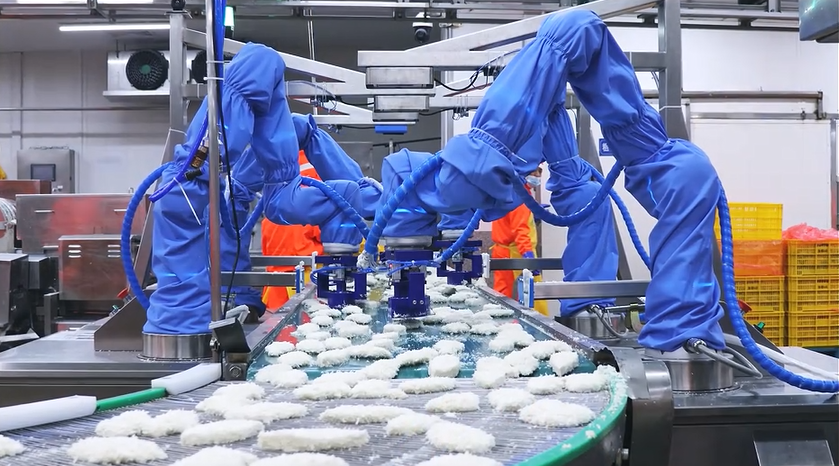
Food processors use our adaptive robots to automate labor-intensive cutting, processing, and packaging tasks under stringent hygiene requirements. We deployed a Rizon 4 solution to automate fish fillet shaping, handling soft textures and varying product sizes without damaging the food coating.
Application Advantages
Gentle, precise shaping
Combines AI vision and force-control to screen and shape fragile food products in-line. Preserves coating, texture, and quality through high-precision, compliant handling.
High-throughput automation
Delivers up to 16,000 fish fillets per unit daily, outperforming the manual average of 12,000. Provides consistent shaping quality synchronized with in-line conveyors.
Fast deployment
Adapts to different product sizes via simple robot adjustment. Integrates into existing production lines with minimal modification—a single station can be installed in half a day.
Application Samples
Food and FMCG
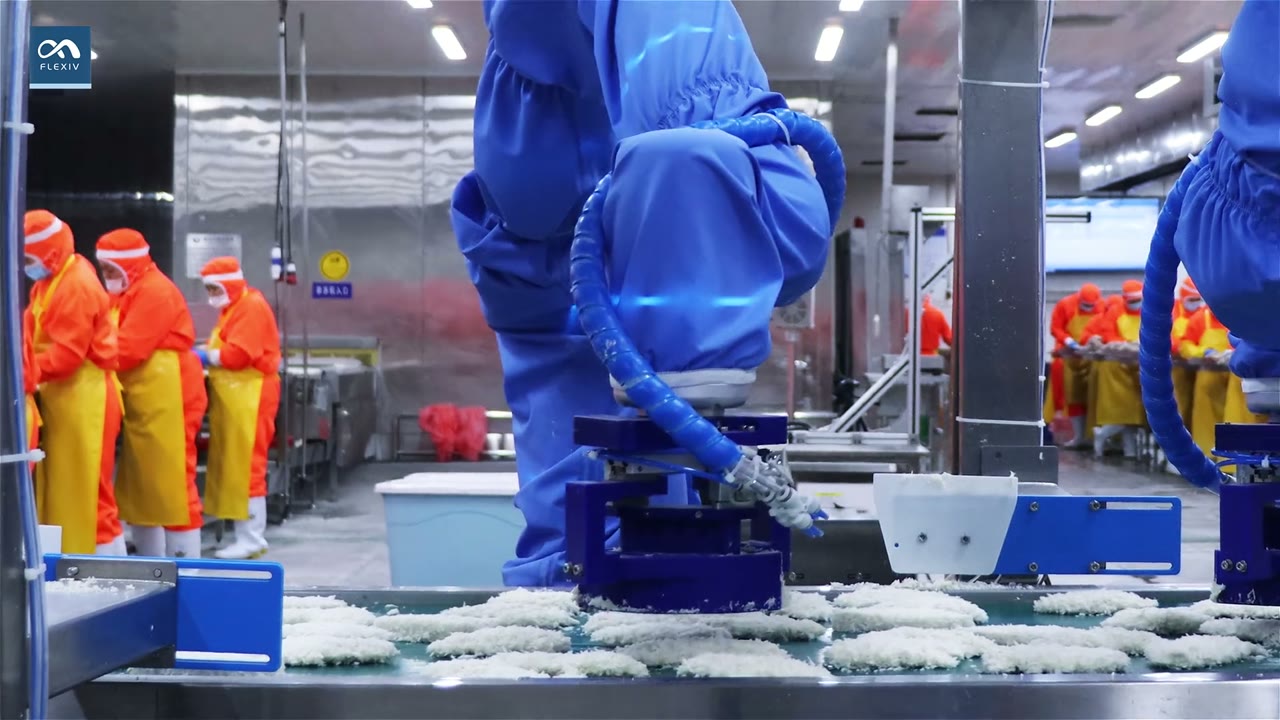
Automated Fish Fillet Shaping
Shows robots shaping fish fillets on a food-processing line, using soft handling to position and press irregular pieces without damaging the product. The sequence highlights force-controlled food processing with monitoring for consistency, yield, and scalable production quality.
Industry Sector
Frontier Innovation
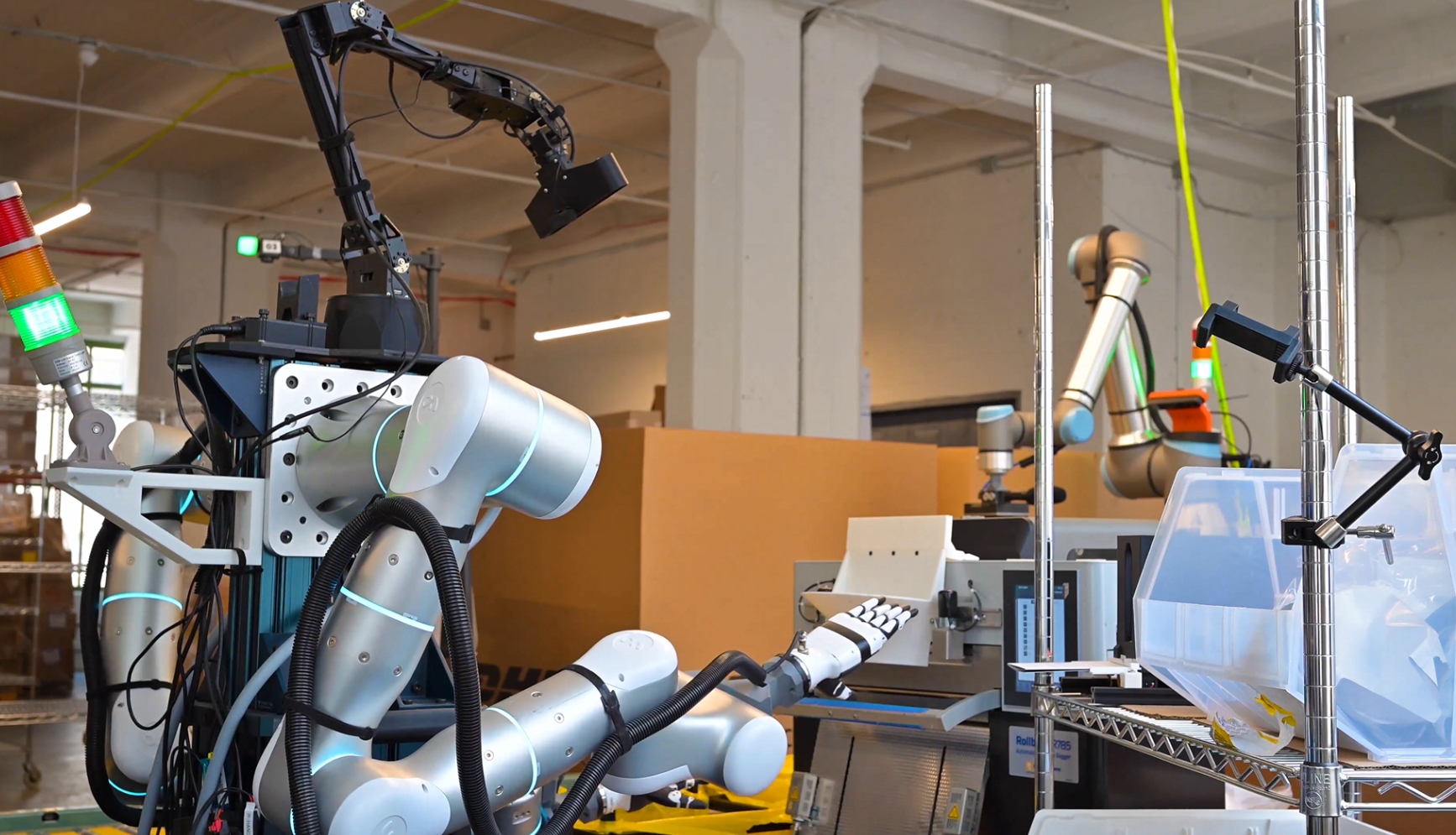
Embodied AI companies use our platforms to translate AI models into physical action. They require high-fidelity data collection and precise force control. We provide Rizon and Enlight alongside our integrated IDE to deliver dexterous manipulation and reliable execution for AI integration.
Application Advantages
Dexterous manipulation
Handles complex, deformable objects like laundry and fasteners. High-resolution force sensing collects quality interaction data for AI training, ensuring stable execution during contact-rich tasks.
High-precision execution
Combines sub-millimeter precision with force control to deliver reliable physical execution and smooth hand-eye coordination for complex manipulations.
Scalable deployment
Safety-certified arms, mobile bases, and an integrated software suite enable rapid integration between customer models and robots, drastically reducing deployment times.
Application Samples
Frontier Innovation
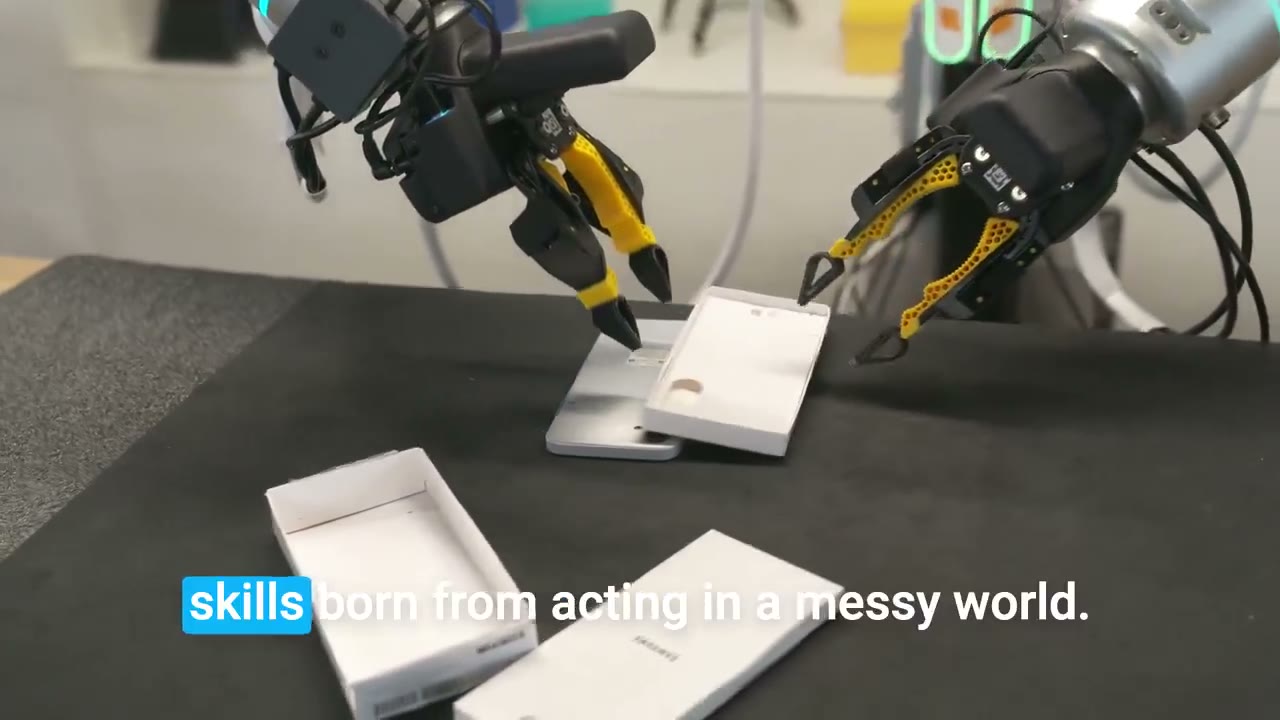
Generalist AI GEN-1 Model Demonstration
Shows GEN-1 generalist AI performing contact-rich tasks such as tool use, cable handling, folding, and object manipulation across different scenes. The sequence emphasizes model-driven robot behavior that adapts from prior experience rather than a single fixed automation routine.
Frontier Innovation
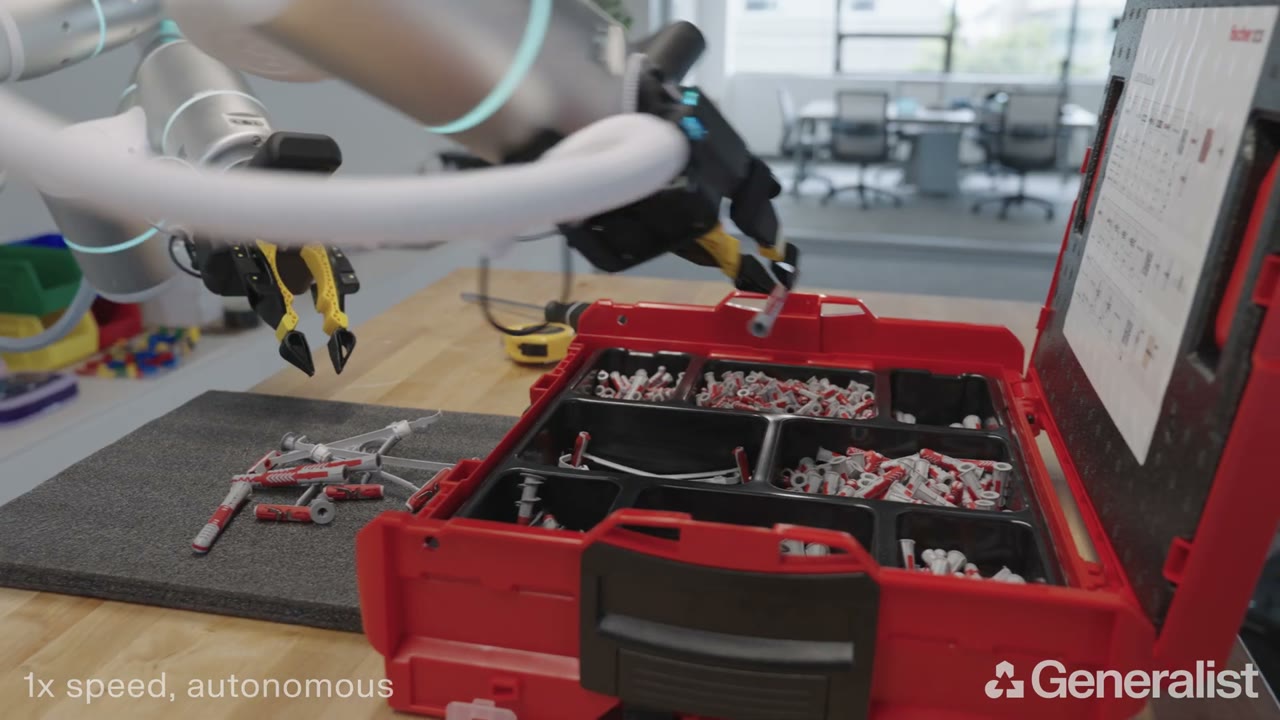
Generalist AI Embodied Model Training
Shows a multi-task data collection session for embodied AI, with robots manipulating parts, folding soft materials, packing objects, and using tools. The video presents robot-learning workflows where diverse contact-rich demonstrations become training data for generalist manipulation models.
Frontier Innovation
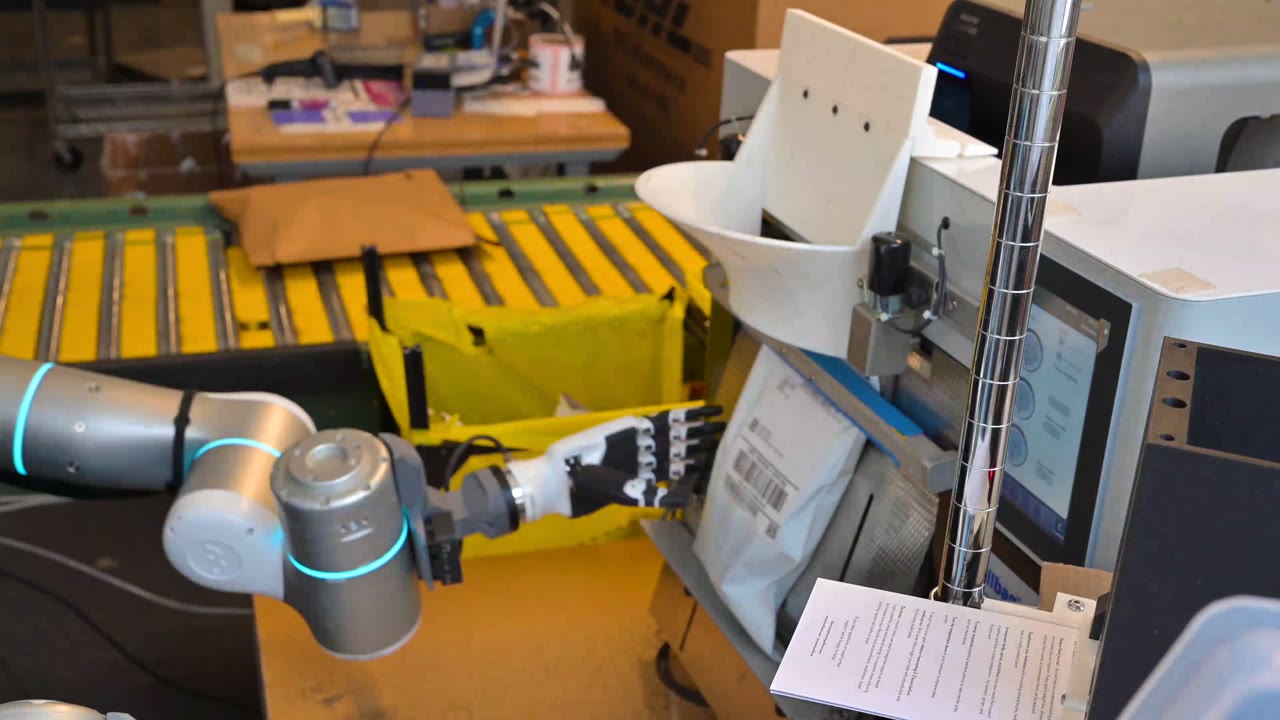
Ultra Intelligent Robot Packaging
Shows a robot handling boxes and packages around a logistics-style cell, including folding, picking, and placing operations. The sequence demonstrates adaptive packaging automation where spatial awareness and flexible manipulation are needed for variable parcel workflows.
Frontier Innovation
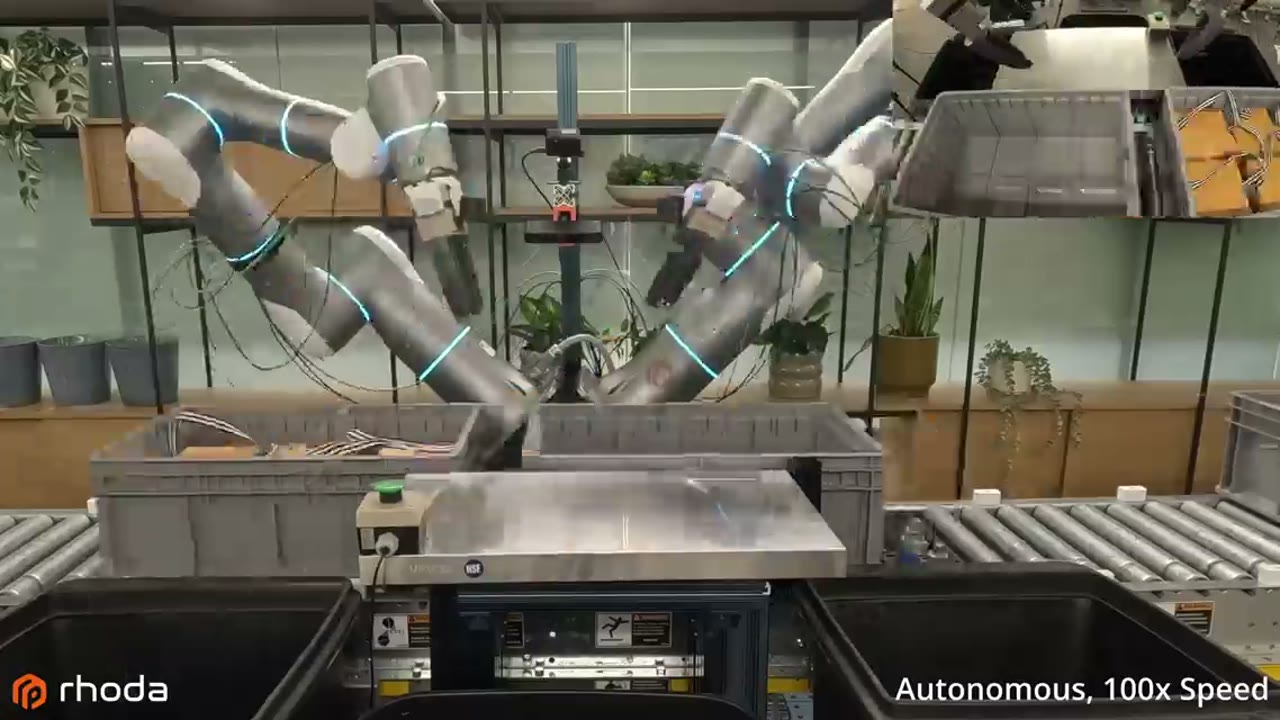
Rhoda AI DVA Model Training
Shows Rhoda AI/DVA controlling robots through bin handling, cloth manipulation, drawing, and logistics-style object movement. The storyboard frames present a model-training demo focused on multi-task automation and transferring learned manipulation skills across workstations.
Frontier Innovation
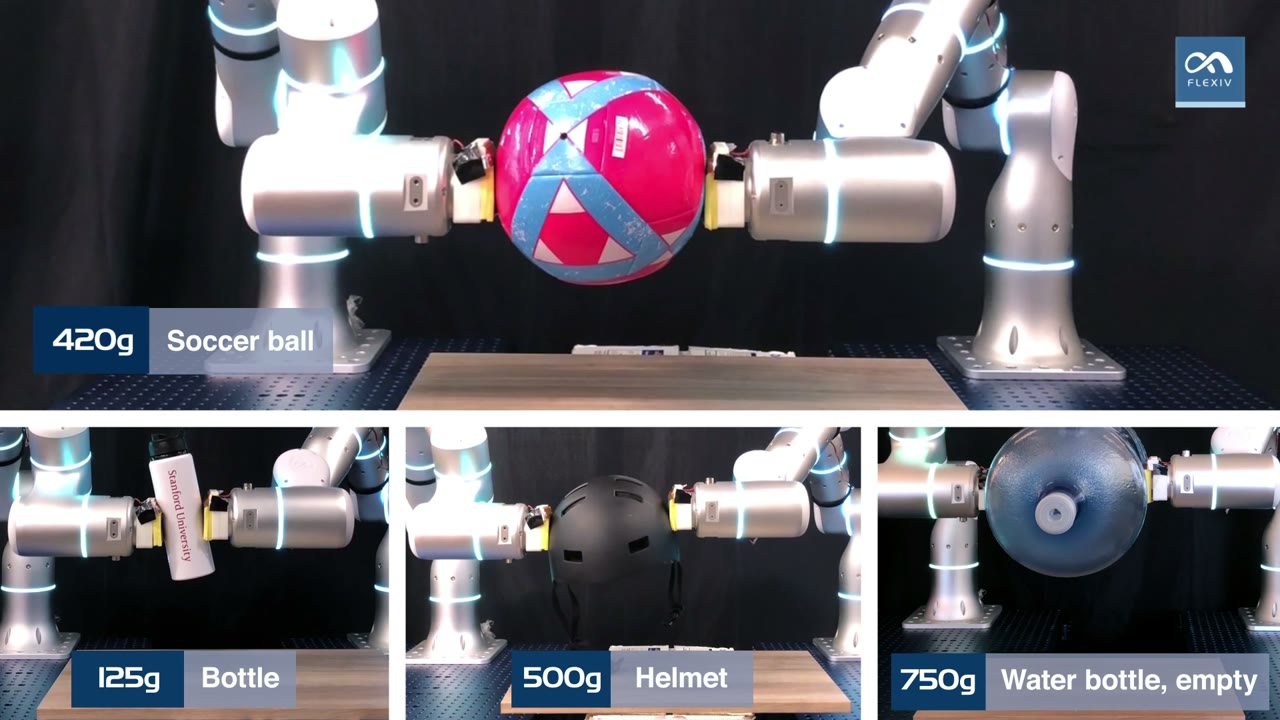
Stanford BDML Gecko Adhesive Testing
Shows Stanford BDML gecko-inspired adhesive gripping being tested on bottles, balls, bags, boxes, and other irregular objects. The demonstration focuses on hybrid gripping research where adhesive contact, object geometry, and release behavior determine handling reliability.
Frontier Innovation
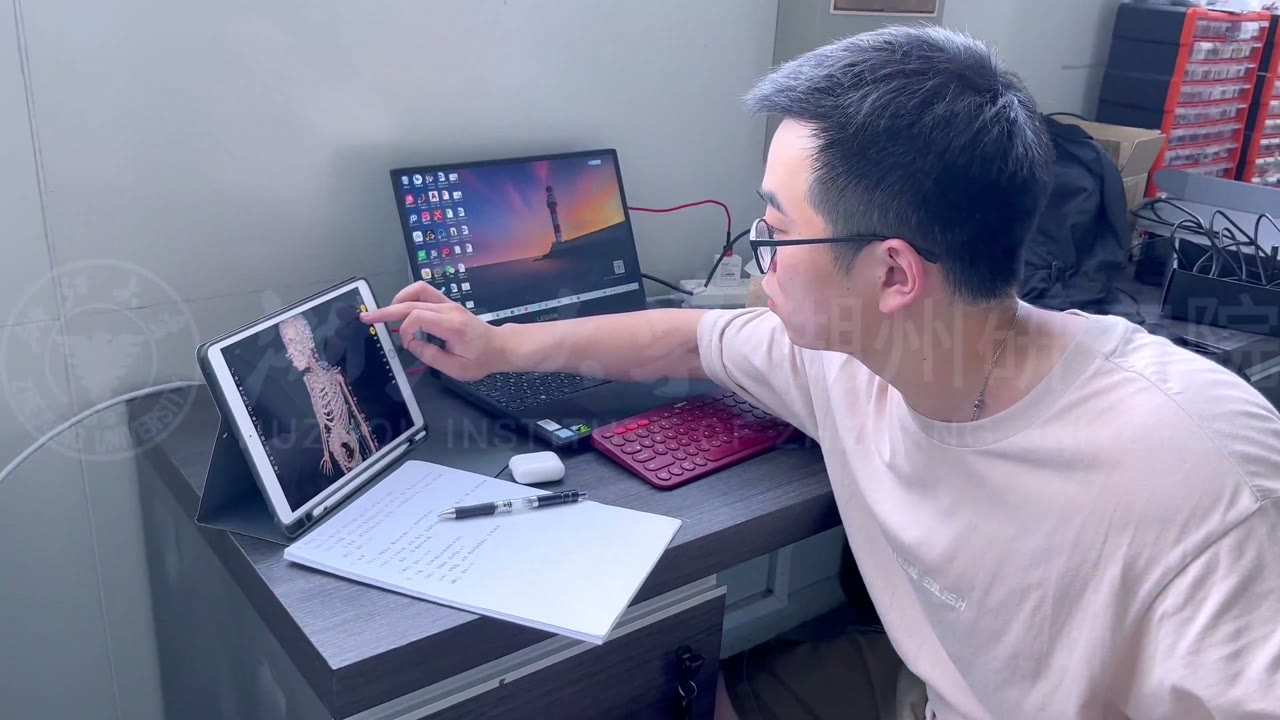
Robotic Therapy Development
Shows a therapy development setup where a robot follows marked body landmarks on a mannequin while an operator supervises from a tablet interface. The workflow demonstrates rehabilitation research with controlled contact force, body mapping, and repeatable treatment-path execution.